Love is all you need: cinco números de teatro musical que me hacen creer en el amor / Five musical theatre songs that make me believe in love
San Valentín. Un día donde los gruñones son más gruñones, los ñoños son más ñoños, y el capitalismo y los chistes sobre El Señor de los Anillos están más presentes que nunca. Es la época de reforzar la chispa de un romance al borde de la perdición, de hacer florecer una nueva historia, o de llorar en tu habitación mientras engulles cajas de bombones y vuelves a ver Love Actually por tercera vez esta semana. Y no hablo por experiencia propia.
No, pero en serio. Es un día frustrante. No solo para las personas que no tienen pareja, que deben soportar la condescendencia y presión de su círculo social por entrar en una relación, sino también para aquellas que si lo están, bombardeadas por publicidad más o menos subliminal que les fuerza a comprar productos con el fin de mostrar con detalles materiales vacíos, aunque con un mayor o menor sentimiento genuino detrás, su amor a sus seres queridos. Es por ello que cada vez más gente se desliga de estas tradiciones consumistas y "cursis". Hasta ahí, todo correcto; cualquier excusa que sirva para destrozar el capitalismo es bienvenida en esta casa. Pero hoy no voy a hablar sobre cómo esta fecha se ha tergiversado hacia el consumo y la ha vaciado de todo sentimiento, sino de todo lo contrario.
Siempre me he considerado una persona pastelosa y cursi; si siento afecto o cariño hacia ti, voy a buscar la forma de demostrártelo. También he sido una persona que, por unos motivos u otros, se ha llevado ciertos chascos en lo que a relaciones se refiere. Y aún pese a ello, hay cierto espíritu romántico en mi interior que me impide caer en el más profundo amargamiento. Y culpa de ello la tiene el contenido audiovisual que consumo, especialmente el teatro musical, el más fantasioso y soñador de ellos. Es una fuente de desconexión, quizás de esperanza. Si a este personaje le va a ir bien, ¿por qué a mi no?
Porque si algo le gusta al ser humano es refugiarse de la vida real en historias de romance ficticias y ajenas para poder conseguir esa esperanza que uno añora. He aquí cinco ejemplos de cómo el teatro cuenta esas historias.
---
Disclaimer: esto no es un análisis objetivo profesional ni con "recomendaciones oscuras infravaloradas que el populacho medio no entiende porque no son gente culta" ni nada de eso. Esto es un top personal sin ningún orden concreto de canciones romanticonas que me apetece recomendar para esta fecha señalada, fin. Las opiniones y visiones que aquí presento son meramente personales y sin apenas fundamento catedrático. Vamos, que simplemente estoy divagando y que no me toméis mucho en serio. Tampoco he querido tirar demasiado por baladas showstopper archiconocidas (aunque algún clasicazo ha caído), y en su lugar he preferido indagar en canciones que ofrezcan una perspectiva fresca y curiosa al concepto de amor que se presenta a menudo en el mundo del espectáculo. Esto viene a decir que, con todo el dolor de mi corazón, ni "On My Own" ni "María" están en la lista. Lo siento mucho. Ah, y alerta de spoilers. Ni qué decir tiene.
---
1. Haled's Song About Love - The Band's Visit (2017)
Esta obra, pese a ganar el Tony a Mejor Musical y recibir muy buenas críticas, apenas duró año y medio en cartel. Estrenarse el mismo año que las adaptaciones a teatro de grandes nombres como Chicas Malas, Frozen o Bob Esponja (2017 fue un año interesante para Broadway, en el mejor sentido de la palabra) tiene sus consecuencias. Y sin embargo, es de las historias más humanas e íntimas que han pasado por la Gran Manzana en los últimos años.

Basada en la película israelí de 2007 con el mismo nombre, The Band's Visit narra las peripecias de una banda de música alejandrina que, por un error lingüístico en la frontera, acaban en la localidad israelí de Bet Hatikva, en lugar de en la ciudad de Petah Tikvah, donde les esperan para una importante función. A pesar de lo cómico de la premisa, durante el transcurso de la obra se exploran temas como las conexiones humanas, la soledad, la sencillez de lo mundano...y el amor. Y es que cada uno de los números musicales compuestos por David Yazbek presenta a este desde una perspectiva diferente. Ya sea amor por los viejos tiempos y la niñez ("Omar Sharif"), amor por un vínculo familiar que compensa el vacío personal ("Itzik's Lullaby"), o el amor más puramente íntimo, con números como "Answer Me" o "Haled's Song About Love", la cual podría considerar, y no exagero, una de mis canciones favoritas de todo el teatro musical.
A nivel musical propiamente dicho, esta canción resalta entre las demás. Toda la obra mantiene un estilo muy similar, con una sonoridad inspirada en la música tradicional de Europa del Este, que le da hasta a los momentos más cómicos un aire muy particular. Este número específico, sin embargo, cambia por completo de género, y nos lleva hasta un jazz al más puro estilo Chet Baker, dotándole de una atmósfera íntima y mágica. Esto no es azar, ya que el propio Haled menciona a este artista como su inspiración numerosas veces, hasta tal punto de utilizarlo como su frase estrella para ligar ("Do you know Chet Baker?").
Hablemos de Haled. Este joven apuesto y carismático, debido a motivos que no puedo mencionar porque tampoco quiero destripar la historia más de la cuenta, aprovechará cualquier oportunidad durante este viaje para buscar conquista. Que atine más o menos es irrelevante. Quizás a primera vista esta actitud pueda resultar ciertamente arrogante y superficial. Sin embargo, tras esa fachada se esconde un alma llena de bondad, la cual se destapa en su número. Durante la noche que la banda pasa en Bet Hatikva, este músico egipcio ayudará a su nuevo amigo Papi a superar sus inseguridades amorosas para conseguir pasar un rato a solas con la chica que le gusta. Es gracias a esta situación, la cual se representa de forma cómicamente entrañable (Papi cantando sobre como le angustia hablar con chicas me representa), que los personajes sacarán su lado más enternecedor.

El amor para Haled es símbolo de unión e intimidad. No solo físicamente hablando, sino personal y emocionalmente. Son dos almas que, a pesar de cualquier circunstancia, están unidas con un hilo invisible. Es poder contar mil historias sin apenas usar palabras. Es saber atreverse a lanzarse a la piscina y derretir el hielo en lugar de simplemente romperlo (primera línea de la canción: "not break the ice, you melt the ice"). Esa intimidad es lo bello de la vida, algo único e intransferible. Es esa conexión que todos los personajes tanto ansían. Y qué mejor que ritmos de Chet Baker para enfatizar esa atmósfera. A lo largo de la canción, se recalca ese mensaje de conexión de forma constante. Ya sean dos gotas de agua que se unen en un charco, dos miradas que se encuentran como si fuesen un espejo, riachuelos que llevan al mar o dos haces de luces sin sombras que los empañen. Esas conexiones diminutas crean las mejores uniones. En la sencillez está la grandeza. Eso es esta canción: grandeza en lo pequeño y sencillo de la vida.
Hay muchísimos temas y mensajes escondidos, no solo en esta canción, sino en el libreto completo. El símbolo recurrente del agua en todas sus vertientes, el uso de la barrera lingüística, las pausas literales y metafóricas en la trama, el impacto en cuanto a la representación de Oriente Medio...hay una lista extensa. Pero no quiero que se me quede demasiado largo, aún hay otras cuatro canciones en el artículo. Quizás en otra ocasión analice la obra al completo. Por el momento voy a terminar esta sección, ya que la ocasión lo requiere, con una pequeña recomendación romántica que realmente no tiene nada que ver con el tema. Si, al igual que yo, os habéis enamorado profundamente de la aterciopelada voz de Ari'el Stachel (si ganó el Tony, es por un motivo), echadle un ojo, o una oreja en este caso, a la audioserie The Two Princes. Príncipes y caballeros medievales, maldiciones y profecías...no voy a destriparos más, prefiero que descubráis la trama vosotros solos. Pero aviso: es muy gay, y muy cuqui. Y en estas fechas no pueden faltar cosas gays y cuquis.
2. Unruly Heart - The Prom (2018)
Audio (versión de Broadway) - Letra
Pequeña nota aclaratoria antes de empezar: la discriminación por pertenecer al colectivo LGBT+ va mucho más allá de lo que se narra en esta obra. No solo nos rechazan por a quién amamos o a quiénes dejamos de amar, sino también por quienes somos o cómo expresamos nuestro género. No obstante, este ejemplo concreto se centra en una joven discriminada por su orientación sexual, por lo que, aunque intentaré enfocar mi análisis sobre un aspecto más global, gran parte de la tesis se centra sobre ello.
Año 2010. La ACLU presenta una demanda contra el distrito escolar del condado de Itawamba, Mississippi. ¿La razón? Haberle negado a la estudiante Constance McMillen el poder asistir al baile de fin de curso con su novia, además de poder ir vestida en traje y corbata. Dicha demanda, sumada a su consecuente controversia en la prensa (numerosas celebridades se hicieron eco del escándalo, y decidieron mostrar su apoyo a la joven en redes sociales), promovió que el distrito finalmente cancelase la celebración. No obstante, se organizó un evento privado extraescolar para no privar a los estudiantes de la fiesta. Debido a protestas de algunas familias, McMillen no solo fue excluida de dicho evento, sino que fue enviada (sin su conocimiento) a otro exclusivo para ella, su pareja y otros cinco jóvenes. McMillen, abrumada por el acoso tanto de los medios como de sus propios compañeros, acabaría por mudarse de distrito.
Esta amarga historia, la cual aún pasa más a menudo de lo que por desgracia debería, es la que le serviría a Jack Viertel como fuente de inspiración del musical contemporáneo The Prom. Pese a no recuperar sus inversiones en Broadway y a pasar desapercibido por las audiencias, este enternecedor musical contemporáneo se ganó el corazón de muchos espectadores jóvenes, especialmente aquellos pertenecientes al colectivo LGBT+, quienes se veían reflejados en la historia de la protagonista. Con música de Matthew Sklar y letra de Chad Beguelin, quien a su vez co-escribe el libreto junto a Bob Martin, este musical narra la lucha de cuatro actores de Broadway por mantener su escaso estatus y prestigio ayudando a Emma Nolan, una adolescente en un pequeño pueblo de Indiana a la que han prohibido asistir al baile de fin de curso por querer llevar a su novia como pareja.
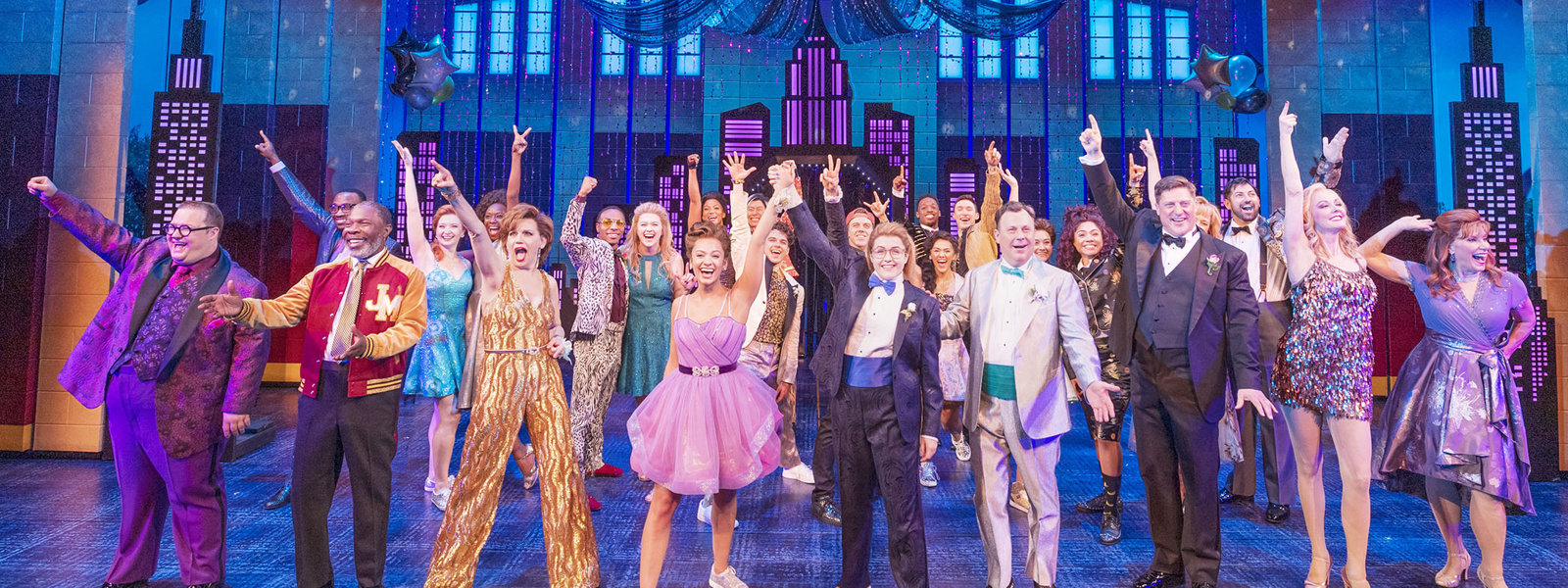
Emma es una adolescente, igual que lo hemos sido todo el mundo. Está aún en esa época de la vida de descubrimiento y madurez personal, donde los baches y "bajonazos" son recurrentes. Pero pese a ello, ningún joven debería sentir rechazo ni discriminación por lo que siente o lo que es. Por eso, ella sigue luchando. Peleándose contra los padres de su escuela, con los compañeros que la rechazan y la culpan de todo, contra los miedos que tiene su pareja Alyssa por salir del armario, y hasta de sus nuevos amigos venidos de Nueva York, quienes le aconsejan y presionan para contar su historia públicamente con motivo de lavar sus propias reputaciones. Durante "Unruly Heart", posiblemente uno de los números más tiernos de este azucarado musical (que ya es decir), Emma decide tomar cartas en el asunto y hablar de su experiencia. Sin embargo, lo hará a su manera: con una guitarra, una canción, un corazón rebelde y el apoyo de miles de jóvenes marginados como ella repartidos por todo el país. Sin focos, sin presentadores. Solo ella en su habitación, en su intimidad, hablándole a la pantalla de su ordenador.
En cuanto a temática amorosa tradicional de pareja, esta obra tiene otros números que posiblemente resalten mucho más, como "Dance With You" o "You Happened". Y es que el centro de la trama se origina en una historia de amor. Pero The Prom va más allá de las relaciones románticas. Es una oda a las viejas glorias de Broadway, a la superación personal...y al amor a uno mismo. Es en este último aspecto donde la obra brilla más a nivel global. Y la prueba de ello es este número. "Nadie más va a definir la vida que debo vivir con este corazón rebelde mío." Esta línea, que se repite varias veces durante el climax del número, es la tesis de la canción, del personaje de Emma y de la obra al completo. Por mucho que quieran callarte, no van a conseguirlo. Nuestra tierna protagonista lleva toda su vida rezagada, siendo consciente del rechazo por parte de su entorno y su hogar, pero siempre lo ha hecho sin perder el espíritu luchador. Y aunque esto ha sido la gota que ha colmado el vaso, nunca perderá la esperanza. Ella lleva por delante el orgullo de ser quien es, y ese orgullo que ahora presenta al mundo no podrán arrebatárselo las mentes cerradas de turno. Este mensaje no solo se aplica a Emma, sino a todos los jóvenes que cantan con ella, con mayor o menor volumen. Esta canción va por todos ellos.
/arc-anglerfish-tgam-prod-tgam.s3.amazonaws.com/public/7VQDNPGZLBCCRLA7NA3UOOSCQE.JPG)
No todo en este musical es perfecto. A veces ser pasteloso y cuqui no compensa el olvidar el corazón de tu historia sobre una persona del colectivo y enfocar gran parte de esta en cómo le afecta a los adultos de su entorno. Tampoco ayuda el tener una controvertida campaña de marketing en tu adaptación cinematográfica (el personaje de Emma no aparece en gran parte de los posters de la reciente adaptación de la obra dirigida por Ryan Murphy y producida por Netflix, los cuales enfocan principalmente a los actores de renombre que aparecen). Sin embargo, por el bien de mi serotonina, lo dejo pasar. Las personas no cishetero también nos merecemos nuestras propias historias de amor pastelosas y cuquis. Y esta es una de ellas.
Como dato curioso para finalizar: este musical fue el primero en la historia del desfile del Día de Acción de Gracias de Macy's (este desfile lleva celebrándose desde 1924, hagan ustedes las cuentas) en incluir un beso entre dos personas del mismo género. Y no os voy a mentir, me emociono un poquito solo de pensarlo. Let's go lesbians.
3. Suddenly Seymour - Little Shop of Horrors (1982)
Audio (versión de la película de 1986) - Letra
Dije al principio del artículo que no quería tirar por los clásicos. Pero hay que admitir que, al igual que el villano de esta obra no puede resistirse a las masacres sangrientas, nadie puede resistirse a uno de los duetos románticos por excelencia en teatro musical.
Los "rock musicals", llamados así por la influencia de este género en su banda sonora, tuvieron un gran auge a finales de los sesenta con la aparición de Hair (1967). Durante los setenta, este género teatral se expandiría con obras más o menos bizarras como The Rocky Horror Show, Jesus Christ Superstar, Phantom of the Paradise o incluso The Wiz, incorporando este último influencias del R&B y el soul. Podría considerarse Little Shop of Horrors (1982) como el último gran éxito de este género teatral antes de su ligero declive a principio de la década de los ochenta. A ritmo del rock and roll y el doo-wop más puramente sesentero compuesto por Alan Menken y con letra y libreto de Howard Ashman, y basado en la película homónima de 1960, este estrambótico musical narra la historia de Seymour Krelborn, un tímido florista que se topa con una planta carnívora con un oscuro propósito y un fuerte deseo de sangre y carne humana. Con esta premisa rocambolesca pero atrayente, el éxito de esta obra estaba asegurado, hasta tal punto de conseguir tan solo cuatro años después una adaptación cinematográfica dirigida por Frank Oz (quien posiblemente os sonará por su trabajo como titiritero en Los Teleñecos y Barrio Sésamo, o por ser la voz de Yoda en la saga de Star Wars), la cual le otorgaría finalmente el estatus de obra de culto.

Esta comedia negra guarda bajo sus raíces cubiertas por una densa capa de vísceras y coágulos una tierna historia de superación: la de Audrey. Esta tímida y risueña joven, sumida en la pobreza y atrapada en un noviazgo abusivo, no desea más que escapar del yugo que le oprime y vivir en un adosado en los suburbios como una mujer de clase media. Este sueño americano que anhela, simple y cómodo pero inalcanzable, es el detonante de su esperanza y amabilidad pese a las adversidades. Y es quizás este el motivo por el cual Seymour se enamora perdidamente de ella. Ambos son almas despreciadas por el destino, pero, al contrario que nuestro protagonista, Audrey aún mantiene esa candidez y ese brillo de espíritu luchador en su mirada. Es en este contraste donde su relación realmente se luce. Durante "Suddenly, Seymour" estos dos contrapuntos, el sueño idílico frente al crudo realismo, se baten en duelo. Y queda bien claro quién gana.
Este número representa una de las partes más bellas de enamorarse: la sensación de confort. El saber que hay un rayo de luz esperanzador en este mundo apocalíptico y devorador. Literal y metafóricamente en este caso. Audrey está en su momento más vulnerable: su abusivo novio acaba de morir de forma (más o menos) accidentada, y ella se siente ligeramente culpable por querer que eso sucediese. Todo ello es la gota que ha colmado el vaso lleno de altibajos emocionales causados por el mal trato por parte de su entorno. Es en estos momentos duros donde el apoyo ajeno es crucial, el cual en este caso viene de la mano de su compañero Seymour. Aunque no hubiese ningún tipo de atracción romántica entre ambos, el cariño y respeto en la relación de estos dos personajes le da un brillo de color a esta cruda historia. Dos personas tímidas y rezagadas que por cuatro minutos de canción pueden respirar tranquilos y saber que, frente a cualquier adversidad, el amor y apoyo mutuo siempre estará presente. Esta canción, además de ser una de las más célebres del musical, es de las más genuinas y humanas de este. Resulta un soplo de aire fresco en una obra repleta de cinismo y oscuridad, pero a su vez crea un equilibrio perfecto al permitirse ser cursi sin caer en pastelosidades utópicas.

Me gusta acabar cada sección con alguna curiosidad o alguna recomendación relacionada que pueda interesar. En este caso, muchos ya estaréis familiarizados con esta versión de la canción y con los dos actores que la interpretan. Pero es que nunca se ha de dejar pasar la oportunidad de volver a deleitarse con MJ Rodriguez y George Salazar interpretando este número. Y si aún no lo habéis hecho, pues no se a qué esperáis.
4. People Will Say We're in Love - Oklahoma! (1943)
Audio (versión de la película de 1955) - Letra
Las obras de la edad de oro de los musicales no han envejecido especialmente bien. Como consecuencia de la censura en los medios audiovisuales a mediados del siglo XX (aquí un breve artículo con información básica sobre el tema), no se permitía explorar temas demasiado adultos, dotando a dichas creaciones de unos ideales y mensajes puritanos y rápidamente anticuados. Resulta interesante analizar esas historias desde un marco teórico social y literario más contemporáneo, no solo como comparación de las convencionales sociales en distintas épocas, sino para percibir las técnicas de esquive de la censura con ciertos mensajes subliminales. Porque la mejor parte de analizar obras de hace medio siglo es leer entre líneas. Y Oklahoma! no es excepción.

Este musical tuvo un gran éxito en su estreno, llevándose como consecuencia numerosos premios (incluyendo el Pulitzer para R&H) y una adaptación al cine en 1955 protagonizada por Gordon MacRae y Shirley Jones. La ópera prima del dúo compositor Richard Rodgers (música) y Oscar Hammerstein II (letra y libreto), inspirada por la obra de teatro Green Grow the Lillacs (Lynn Riggs, 1931), se sitúa en 1906 en el estado que da nombre a la obra. La historia narra la lucha entre el carismático Curly McLain y el mozo de labranza Jud Fry por el amor de la joven Laurey Williams. Hay otras subtramas presentes en el libreto, como las peripecias amorosas de Ado Annie, pero quienes conciernen a este análisis son el vaquero y la granjera.
Para afianzar una relación, primero hay que conocer a la persona a fondo y comprobar la afinidad. Este puede llegar a ser un proceso largo, pero resulta de lo más fructífero cuando funciona. Es por ello que, en el mundo audiovisual, las relaciones que más tiempo tardan en moldearse son, además de las más realistas, las más apreciadas por el público. No puede haber una resolución satisfactoria sin un poco de conflicto, y el conflicto y tensión entre Curly y Laurey en este caso es especial. No es un roce desagradable de dos personas que se odian a muerte, sino de dos enamorados que colocan sendas fachadas para ocultar sus sentimientos. Ambas capas de falsa vanidad chocan entre sí, dando lugar a unos piques e indirectas que parecen sacados de un fanfic. Para utilizar términos más acordes a este medio, pensad en esta relación como un "slow-burn yearning enemies to lovers" (que alguien me confirme que he utilizado estos términos correctamente). Ambos se atraen mutuamente, pero se cubren para no caer en las predicciones de su entorno. No me mires con ese brillo en los ojos como yo, no me agarres del brazo, no bailes conmigo toda la noche, o la gente dirá que estamos enamorados. Conforme la historia avanza, su relación también lo hará, y acabarán aceptando su destino como pareja y recibiendo el final feliz con el que tanto ellos como sus vecinos cotillas han estado soñando.

El enlace adjuntado arriba os envía a la versión de la película de 1955, la cual es deliciosamente pastelosa. No obstante, también es digna de mención la interesante reinterpretación moderna de la producción de Broadway de 2019, la cual se llevó el Tony a mejor revival de un musical (abajo dejo un pequeño fragmento de dicha versión). Si antes mencioné que este musical tiene un gran subtexto, esta producción lo lleva al extremo hasta el punto de resultar picarón. ¿Oklahoma? More like "Okla-hoe-ma". Pocos juegos de palabras he hecho en este artículo, la verdad. El caso, que buscad un abanico por si las moscas.
5. I Can Do Better than That - The Last 5 Years (2002)
Audio (Versión Off-Broadway) - Letra
Hasta ahora, he analizado cuatro canciones relativamente esperanzadoras y alegres sobre lo bello y mágico del enamoramiento, así que, para acabar con buen sabor de boca, en este último ejemplo vamos a hacer un viaje al lado contrario. Abróchense los cinturones, porque se vienen curvas repletas de ironía.
The Last Five Years es la mejor y a la vez peor historia de amor jamás contada en un escenario. Y teniendo en cuenta que está ligeramente inspirada en hechos reales, esa línea entre bueno y malo es más difusa todavía. La obra escrita y compuesta por Jason Robert Brown narra los altibajos de la agridulce relación entre Cathy Hiatt, una aspirante a actriz, y Jamie Wellerstein, un prometedor escritor. Esta peculiar comedia romántica, aunque llamarla así sea controvertido y "le quite la gracia", causó furor en los escenarios por su diseño minimalista (el reparto solo se compone de los dos actores protagonistas) y su emotiva trama. La adaptación a cine llegaría en 2014 protagonizada por Anna Kendrick y Jeremy Jordan, aunque con críticas mixtas.

La estructura de esta obra es peculiar. Él narra los hechos en orden cronológico, desde el inicio de la relación hasta que esta termina, mientras que ella lo hace a la inversa. Ninguno de los dos personajes interactúa con el otro salvo por el momento en el que ambas líneas temporales se cruzan en el que interpretan un dueto situado el día de su boda. El resto del tiempo, los personajes están prácticamente solos en el escenario, pudiendo así expresarse sin ningún tipo de impedimento y permitiendo a la audiencia conocer la historia de la forma más "objetiva" posible. Recalco "objetiva" porque no hay que tener demasiadas luces para darse cuenta de la catástrofe de este romance. Ni Team Jamie ni Team Cathy, Team Terapia de Pareja.
Desde el minuto uno el destino de ambos personajes está sellado. Y la primera línea del primer número así lo dicta: "Jamie ha terminado, Jamie se ha ido". No hay un final feliz para esta pareja. Especialmente para la protagonista. Y es que Cathy, al contrario que su pareja, no solo no alcanza el estatus como actriz que tanto anhela, si no que su apoyo emocional le engaña y le abandona. Teniendo constancia de este desenlace, resulta desgarrador escuchar a la joven cantar con tanto jolgorio sobre el amor al final del espectáculo. Y esto es lo que ocurre con "I Can Do Better Than That", una de las canciones más adorablemente desgarradoras de este musical.

Este número sirve como premonición de los eventos futuros de este romance. Bueno, futuros, pasados...la línea temporal sigue algo confusa. Y es que no es la primera vez que Cathy vive de ilusiones. Desde joven ha estado buscando estabilidad en todos los aspectos de su vida, con énfasis en el romántico. Poniendo de ejemplo a su amiga del instituto, quien se quedó embarazada muy joven y tuvo que asentarse rápidamente y rehacer sus planes, ella demuestra que "puede hacerlo mucho mejor que eso". No obstante, sus ideales y aspiraciones son eso, ideales. Cada vez que ha empezado a ilusionarse y a planear la vida perfecta con un chico, este decide marcharse. Y con Jamie no es excepción. Solo que ella no lo sabe. Porque está enamorada hasta los huesos, y no va a permitir que nada le arrebate el plan perfecto de vida que tiene. No espera que él se amolde a su particular mediocridad, sino todo lo contrario. Este es el origen de la fantasía de Cathy: una relación utópica pero dependiente que está floreciendo y que no tardará en marchitarse, pero ya será tarde para volver a regarla. Fuera de contexto, esta canción resulta entrañablemente tierna. Sin embargo, una vez que se indaga a fondo en la historia completa, empiezas a entender por qué la gente es tan cínica con el romanticismo. Odio cómo esta canción me rompe los esquemas sentimentales, y quizás por eso me encanta tanto.
El mensaje de este número, si le eliminas la parte romántica, resulta muy similar al de la película Life Partners (Susanna Fogel, 2014), una historia entrañable sobre la amistad y el hacerse mayor (aprovecho para hacer un poco de autopromo y dejar por aquí mi poética e intensita review de letterboxd sobre ella). Es una historia con la que mucha gente en la veintena podrá identificarse, y más en estos tiempos que corren. El mundo crece a un ritmo al que tú no estás preparado, y te aferras a la más mínima esperanza o atisbo de paz en este caótico universo para crear tu burbuja. Esta burbuja no son más que fantasías, y en algún momento has de enfrentarte a tu madurez inminente y aceptarla.
Un momento, yo había venido aquí a hablar de romances. Las crisis existenciales de la veintena las dejaremos para otro artículo. El caso, que la peli está muy bien.
---
Hay muchas otras canciones que podría haber mencionado en esta lista. Aprovecho esta mini conclusión para otorgar ciertas menciones honoríficas:
- It Takes Two (Into the Woods)
- If I Can't Love Her (Beauty and the Beast)
- Ring of Keys (Fun Home)
- All I've Ever Known (Hadestown)
- Ten Minutes Ago (R&H's Cinderella)
- Cecily Smith (Fly By Night); hago hincapié para que investiguéis sobre esta última, no solo porque casi entra en la lista, sino porque este musical es relativamente poco conocido, aunque muy entrañable.
Dudo que algo de lo que he escrito aquí haya cambiado vuestra perspectiva del amor. Tampoco esperaba hacerlo. Esto al fin y al cabo no son más que deseos idílicos y utópicos aunque irreales que he proyectado en una de mis pasiones. Tan solo quería contribuir a la pastelosidad ya presente en el aire con mi propia perspectiva. Por si acaso, recordad: no esperéis a un momento concreto del año para darle a vuestra pareja el cariño y respeto que se merece. Y no esperéis tampoco a un momento concreto del año para comer bombones y ver Love Actually. El amor, como los bombones, están presentes todo el tiempo. Sacad esa cursilería que lleváis dentro y compartidla con todo el mundo. Feliz San Valentín 💖
----------
Valentine's Day. A day where grumpy people are grumpier, cheesy people are cheesier, and capitalism and Spanish memes about Lord of the Rings are more present than ever (ask a Spanish person about this and you'll see). It's the perfect time for a romance on the verge of despair to reignite its spark, for a new story to bloom, or for you to cry alone in your room while devouring chocolates and rewatching Love Actually for the third time this week. Not like this is based on a true experience...
In all seriousness, this can be a frustrating date. Not only for single folks, who must face the condescending pressure of their social circle into being in a relationship but also for those who are currently in one, bombarded and forced by media and less-than-subliminal advertising into buying products and showing with materialistic yet empty details, although with some genuine feelings behind, their appreciation for their loved ones. That's why more and more people are rejecting these "corny" and consumerist traditions. All good so far: anything to destroy capitalism is warmly welcomed in this house. But I won't be discussing today how this date has been distorted into consumerism and deprived of all feelings behind, but the opposite.
I have always seen myself as really affectionate yet somewhat corny; I will always look for the best way to show you my appreciation. I also happen to be someone that, for some particular reason, has had their best fair of heartbreaks in regards to relationships. Yet a certain romantic spirit inside me prevents me from succumbing to deep sourness. And the media I consume is at fault for that; especially musical theatre, the most fantastical and dreamy of them all. It's a great way of disconnecting and finding maybe a bit of hope. If that character can get their happy ending, why can't I?
Cause if humans love something more than anything, is recluding themselves from real life into fictional romances to get the happiness they yearn for. And here it is five examples of how theatre presents said stories.
---
Disclaimer: this is not an objective/academic analysis nor a list of "obscure songs that regular audiences will never get because they are not culturally educated" nor anything of the sort. This is a personal rank in no concrete order of cheesy romantic songs that I would like to recommend for this date, period. The opinions and visions presented here are purely personal with barely any scholastic fundament. Basically, it's just me rambling, so don't take me seriously. I also didn't want to go for widely popular showstopping ballads (though there are some classics in here for sure), and I decided instead to go for songs that offer a fresh and unique perspective into the concept of love seen in the theatre industry. This means that, as much as it pains me to say it, neither "On My Own" nor "Maria" is on this list. I'm really sorry. Oh, and spoiler alert, but that goes without saying.
---
1. Haled's Song About Love - The Band's Visit (2017)
Despite winning the Tony for Best Musical and receiving critical acclaim, this show barely lasted a year and a half on stage. Opening on the same season as Mean Girls, Frozen or Spongebob Squarepants has its consequences (2017 was quite an interesting year for Broadway, in the best sense of the word). And yet it's one of the most intimate and sincere stories to step on the Great White Way in the last few years.
The cast of The Band's Visit (Matthew Murphy)
Based on the 2007 Israelite film of the same name, The Band's Visit narrates the adventures of an Alexandrine orchestra that, due to a linguistic mix-up on the frontier, arrive by mistake to the local Israelian town of Bet Hatikva instead of the city of Petah Tikvah, where they are expected to perform. Despite the comical premise, several themes will be explored during the course of the show, such as the power of human connections, loneliness, the simplicity of the mundane, and love. And each of the musical numbers written by David Yazbek will present this theme from a different perspective. For love exists as an adoration for the past times and one's childhood ("Omar Sharif"), love for a family bond that compensates the emptiness of the soul ("Itzik's Lullaby"), or the love as something purely intimate, with numbers as "Answer Me" or "Haled's Song About Love", which could be, and this is not an exaggeration, one of my favourite songs in all of musical theatre.
As a musical piece in the most literal sense of the word, this song is distinguishable from the rest. The show maintains a consistent music style, with sounds inspired by a traditional Eastern European style, giving a very unique flair to even the most comedic moments. With this specific number, however, the genre is shifted, taking the audience to Chet Baker jazz sounds, gifting us with a magical atmosphere. This is no coincidence, as Haled himself mentions the artist as one of his inspirations numerous times, to the point of using him as his quintessential pick-up line: "Do you know Chet Baker?".
Let's talk about Haled. This charming and handsome young man, due to some reasons I won't mention because I don't want to spoil the story more than I should, will be making every moment of this trip a love quest. This attitude may come as arrogant or superficial at first, yet behind this facade lies a kind soul, wonderfully discovered in his musical number. During the night the band spends in Bet Hatikva, this Egyptian musician will help his new friend Papi to overcome his insecurities with love to spend a night with the girl he fancies. This situation, which is represented in a comical yet heartwarming way (Papi singing about his fear of talking to girls is a total mood), will make the characters embrace their most affecting side.
For Haled, love is a symbol of union and intimacy. Not in the physical sense of the word, but in a more personal and emotional aspect. It's two souls that, despite any circumstances, are linked through an invisible thread. It's being able to tell a thousand stories with no words. It's daring to jump into the water and, as the first verse of the song states, "not break the ice", but rather melting it. In this intimacy lies the beauty of life, something unique and interchangeable. It's a connection that each character longs for. And there's no better way to emphasize that atmosphere than Chet Baker. During the song, that message of connecting is repeatedly remarked. Whether it is two drops of water joining in a puddle, two pairs of eyes that meet each other like looking in a mirror, rivers that flow into the sea, or two suns with no shadows to hide them. The smallest of connections create the best unions. The greatness lies in the simplicity of it all. That is the message of the song: the greatness within the small and simple things in life.
There are many hidden messages and themes not only in this song but the whole piece. The list is quite extensive: the recurrent symbolism of water in all of its forms, the use of the linguistic barrier, the literal and metaphorical pauses of the plot, the impact of its Middle Eastern representation, etc. But I don't want this piece to be very long, there are four songs left to be analyzed. I might do someday a full research piece on the show. In the meanwhile, I'm finishing this section, since the occasion calls for it, with a romantic recommendation that has nothing to do with the topic. If like me, you have deeply fallen in love with the velvet voice of Ari'el Stachel (he won the Tony for a reason) I'd suggest you give a look, or in this case, a listen, to the fictional podcast The Two Princes. Medieval princes and knights, curses and prophecies, etc. I don't want to spoil it for you, I'd rather let you discover it for yourselves. But fair warning: it's very wholesome and gay. And you can never go wrong with wholesome and gay things, especially on this day.
2. Unruly Heart - The Prom (2018)
A quick note before we start: LGBT+ discrimination goes beyond what's narrated in this show. We are not only rejected because of who we do or do not love, but also because of who we are or how we express our gender identity. Nevertheless, this specific story focuses on a girl discriminated against for her sexual condition, therefore the thesis of this analysis will focus mostly on that, even though I will try to apply it to a more global aspect.
In 2010, the ACLU filed a lawsuit against the school district of Itawamba County, MS. The reason: denying student Constance McMillen the right to attend prom with her girlfriend, plus forbidding her to wear a suit and tie. Added to the consequent press controversy (several celebrities heard about the scandal and publicly supported the young girl on social media), said lawsuit caused the school district to eventually cancel the event. A private event not affiliated with the school was held instead, in order not to deprive the students of the celebration. However, due to several parental complaints, McMillen was excluded from the said event and sent without her knowledge to another one exclusive for her, her partner, and five other students. Feeling bewildered by the press hounding and the harassment by her peers, McMillen would eventually move districts.
This sour tale, which tragically happens more commonly than it should, would serve as an inspiration for Jack Viertel's contemporary musical The Prom. Despite not recouping its investments on Broadway and going unnoticed by audiences, this heartwarming musical captivated younger fans, especially from the LGBT+ community, who saw themselves reflected in the lead character and her story. With a score by Matthew Sklar and lyrics by Chad Beguelin, who co-wrote the book with Bob Martin, this show narrates the struggle of four Broadway actors fighting against their lacking status and prestige by helping Emma Nolan, a high school student from a small town in Indiana who was banned from prom for wanting to attend with her girlfriend.
Emma is just your typical teenager, just like we all were at some point. She is still at that period in her life of personal growth and self-discovery, where ups and downs, especially downs, are recurrent. Yet despite it, no young person should feel rejected or discriminated against for what they are or what they feel. That's why she keeps fighting: against the school parents, her classmates who reject her and blame her for everything, against her partner Alyssa's fears of coming out, and even her new New York peers, who constantly advise and pressure her to publicly tell her story in an attempt to clean up their reputations. During "Unruly Heart", possibly one of the sweetest songs of this sugar-coated musical (and that's saying something), Emma takes the matter into her own hands and decides to talk about her experience. However, she does it on her own terms: a guitar, a song, a rebel soul, and the support of thousands of young outcasts like her spread across the country. No flashlights, no TV hosts. It's just her in the intimacy of her room, talking to the screen of her laptop.
In terms of proper romantic love, this musical has songs that might highlight more this theme, such as "Dance With You" or "You Happened". The core of the plot originates in a love story after all. Yet The Prom goes beyond romantic relationships. It's an ode to old Broadway legends, personal growth, and most importantly, self-love. And it's in this last aspect where the show truly shines on a global scale. And this number is proof of it. "Nobody out there ever gets to define the life I'm meant to live with this unruly heart of mine". This line, which gets repeated several times throughout the climax of the number, is the core thesis of the song, Emma's arc, and the full show itself. They will never silence you no matter how much they want to. Our sweet and charming lead has been all of her life left behind, aware of the rejection in her environment and her home, yet she has never lost her fighting spirit. And although this was the last straw, her hope remains intact. She wears her self-pride like a badge, and narrow-minded bigotry will never take it from her. And this message does not apply only to Emma, but also to all the young people that sing with her, in high and low volume. This song is for all of them.
This is far from a perfect musical. Sweetness and wholesomeness do not make up for forgetting a story centred around someone from the community and focusing a huge part of it on its effect on the adults of her environment. Having a controversial marketing campaign on your film adaptation is no help either (The character of Emma does not appear in a big part of the promotional posters of Ryan Murphy's recent film adaptation for Netflix, giving the spotlight instead to the A-list actors who appear on it). However, for the sake of my serotonin, I will let it slide. Non-cis and non-straight people deserve our own cheesy love stories as well. And this is one of them.
A quick fun fact to end this section: this musical was the first one in Macy's Thanksgiving Day Parade history (it has been celebrated since 1924, you do the math) to include a kiss between two people of the same gender. And I will not lie, it makes me a bit emotional just thinking about it. Let's go lesbians.
3. Suddenly Seymour - Little Shop of Horrors (1982)
At the beginning of the article, I said I did not want to go with the classics. However, one has to admit that, just like the villains of this show cannot resist bloody massacres, no one can resist one of the quintessential love duets in musical theatre.
The "Rock musical" genre, which is called so due to the influence of said genre in the music, had a boom in the late sixties with the birth of Hair (1967). This genre would expand during the seventies with shows in a wide range of bizarreness such as The Rocky Horror Show, Jesus Christ Superstar, Phantom of the Paradise, and even The Wiz, which incorporated R&B and soul influences. Little Shop of Horrors (1982) is considered to be the last big success of this theatrical genre before its slight decline in the early eighties. To the sound of Alan Menken's purest rock-and-roll and doo-wop score and with book and lyrics by Howard Ashman, this extravagant musical based on the 1960 movie of the same name narrates the story of Seymour Krelborn, a timid florist who bumps into a carnivorous plant with an obscure purpose and a strong craving for human blood and flesh. With this bizarre yet appealing premise, the success of this show was more than guaranteed. Just four years later after its premiere, this musical would get a film adaptation directed by Frank Oz (who might sound familiar to you thanks to his work as a puppeteer in The Muppets and Sesame Street, or for voicing Yoda in the Star Wars saga), earning eventually its status as a cult classic.
Under its roots, and covered by a dense layer of guts and blood clots, this dark comedy guards a heartwarming history of overcoming oneself: Audrey's story. This cheerful and timid girl, living in poverty and under an abusive relationship, wishes no more but to free herself from the oppressing ties and live in a suburban house as a middle-class woman. This simple and comfortable yet unachievable American dream is the key to hope and kindness despite adversities. And that is perhaps the reason why Seymour falls deeply in love with her. They are two souls despised by fate, yet, unlike our protagonist, Audrey maintains a naivety and the spark of a fighter in her eyes. This relationship truly shines thanks to this contrast. During "Suddenly Seymour" these two counterpoints, the idyllic dream against the crude realism, fight in battle. And it's quite clear who wins.
This song presents one of the most enchanting parts of falling in love: the sensation of comfort. The idea of knowing that there is a beacon of hope in this, apologies for the pun, devouring apocalypse. Audrey feels the most vulnerable she has ever been; his boyfriend has recently died in an "accident", and she feels guilty for wanting it to happen. This was the last item on a list full of emotional ups and downs in a mistreating environment. In those hard times, external support is crucial, which comes in this case from her co-worker Seymour. Even if there was no sort of romantic attraction between the two of them, the mutual care and respect of these two characters fills this harsh story with shining colours. It's the story of two timid people that, during the four minutes that the song lasts, can take a deep breath and believe in mutual love and respect that will always be present against all adversities. This number is one of the most well-known of the whole piece, but it's also one of its most genuinely human. It feels like a deep breath of fresh air in such a cynical, dark show, yet it maintains a perfect balance by being charming enough without falling into cheesy utopias.
I like finishing each section with fun trivia or a related recommendation of interest. In this case, most of you might be familiar with this version of the song and the two actors who perform it. But you can never pass up a chance of delighting oneself with MJ Rodriguez and George Salazar's performance of this song. And if you have not done it yet, what are you waiting for?
4. People Will Say We're in Love - Oklahoma! (1943)
The so-called "golden age" of musicals has not aged particularly well. Due to the censorship in audiovisual media during the middle of the 20th century (see here a short article with basic info on the subject) not many adult themes were allowed to be explored, giving the creations of this period puritan and quickly old-fashioned ideals and themes. It's interesting to analyse these stories from a more contemporary socio-literary framework, not just to compare each period's social conventions, but as a way of perceiving the censorship dodging techniques and the subliminal messages implemented throughout. Because the best part of dissecting plays from half a century ago is reading between the lines. And Oklahoma! is no exception.
This musical was a great success during its premiere, accolading numerous awards (including the Pulitzer for R&H) and a film adaptation in 1955 starring Gordon MacRae and Shirley Jones. The debut of writing duo Richard Rodgers (score) and Oscar Hammerstein II (book and lyrics), which was inspired by the play Green Grow the Lilacs (Lynn Riggs, 1931), is set in 1906 in the American state that gives name to the musical. It tells the story of a fight between the charismatic Curly McLain and the farmhand Jud Fry for the love of young Laurey Williams. There are several subplots sprinkled throughout the book, such as Ado Annie's romantic shenanigans, but the ones concerning this analysis are the farmer and the cowman.
The conclusion to this romance can be predicted within the first chords: two young people attracted to each other and whose marital union, given the specific social circumstances, would be beneficial for both in all aspects. However, the proud nature of both lovers won't allow them to recognise their obvious flirtation, which the whole village whispers about. Because there is nothing more loved than gossip. It's the reason love-themed realities are widely popular lately: other people's dramas are an easy sell. We will talk another day about the problematic ideals these programs perpetuate. But the conclusion to be drawn is that popular speculation and its effect on the characters are key to understand the number with the biggest subtext in the whole show, "People Will Say We're In Love".
To settle a relationship, one must get to know the other person first and check their affinity. It can be a long process, but it will be truly fruitful when it works. That's why, in the audiovisual world, the relationships that take the most time to mould are, apart from the most appreciated by the audience, the most realistic. There can be no satisfactory resolution without some conflict, and the tension between Curly and Laurey is quite special in this case. It's not the unpleasant rivalry of two mortal enemies, but two lovers that put a wall around each to hide their true feelings. Each layer of false vanity collides with each other, resulting in quarrels and hints pulled up straight from a Wattpad fanfiction. To use the proper terms for this medium, think of this relationship, and I hope I'm using this term correctly, as a "slow-burn yearning enemies to lovers". They are both mutually attracted, but they hide themselves to avoid falling into the predictions of their environment. Don't look at me with that glow in your eyes like me, don't hold my arm, don't dance all night with me, or people will say we're in love. During the course of the story, the relationship of both characters will progress, and they will accept their destiny as a couple and receive the happy ending that both they and their nosy neighbours have been dreaming about.
The link attached above sends you to the 1955 movie version, which is delightfully corny. However, it's also notable to mention the contemporary interpretation of the 2019 Broadway production, which won the Tony for Best Revival of a Musical (see below a fragment of said version). If we have mentioned the great subtext of this musical, this production takes it to the extreme to the point of full spiciness. Oklahoma? More like Okla-hoe-ma. Not many puns have been done in this article, to be honest. Anyway, go get a mop just in case.
5. I Can Do Better than That - The Last 5 Years (2002)
So far, I have analysed four songs that take a hopeful and joyful approach to the beauty and magic of love. To end the article on a good note (pun intended?), we are taking a trip to the opposite side of the spectrum for the last example. Buckle up your seatbelts, cause we are facing some turbulences full of irony.
The Last Five Years is both the best and the worst love story ever told on stage. And if we take into account its inspiration from real-life events, the line between good and bad gets even blurrier. This musical, written and composed by Jason Robert Brown, narrates the ups and downs of the bittersweet romance between Cathy Hiatt, an aspiring actress, and Jamie Wellerstein, a promising writer. This peculiar romantic comedy, although calling it like that is quite controversial and sucks the "fun" out of it, gained raging success on stage due to its minimalistic design (the cast is only composed of the two lead characters) and its emotional plot. A filmed adaptation would arrive in 2014 starring Anna Kendrick and Jeremy Jordan, with mixed reviews.
The structure of the show is rather peculiar. He narrates the story in chronological order, from the beginning of the relationship to its end, while she does it in reverse. The characters only interact with each other when both timelines intertwine with a duet on their wedding day. The characters will be alone on stage the remaining time, allowing them to express themselves without any impediment and allowing the audience to learn the story in the most "unbiased" way. Remarking the word "unbiased" because one does not need to be too bright to realise the doomed fate of this romance. Team Jamie or Team Cathy? Neither, Team Marriage Counseling.
The fate of the characters is sealed from the minute they step on stage. The first line of the first number of the show dictates it so: "Jamie's over, Jamie's gone." There is no happy ending for this couple. Especially for the female protagonist. Unlike her partner, not only does Cathy not achieve her widely desired high status as a performer, but her biggest emotional support cheats on her and eventually abandons her. Being aware of this outcome, listening to this woman singing so joyfully about love at the end of the show is heart-wrenching. And this is what happens with " I Can Do Better Than That", one of the most adorably gut-punching songs of the entire show.
This number serves as a premonitory act of the future events of this romance. Well, future, past...the timeline is still somewhat confusing. Yet this is not the first time Cathy has lived in an illusion. Since she was young she has been searching for stability in every aspect of her life, with a special focus on romanticism. She shows her high-school friend, who got pregnant really young and had to rapidly settle her life and re-do her life, as an example that she can "do better than that". However, her ideals and aspirations are just that. Every time she started to think about compromise and planning the perfect life with a guy, he would decide to leave her. And Jaime will be no exception. However, she is not aware of that yet. She is deeply in love with him, and nothing will take the perfect life plan away from her. She does not expect for him to accommodate himself to her particular mediocrity, but the opposite. This is the origin of Cathy's fantasy: a utopic yet dependant relationship starting to blossom but soon to be fading, and at that point, it will be too late to water it. Out of context, this song sounds charmingly wholesome. However, once one dives deep into the full story, it starts to get clear why people are so cynical towards romanticism. I hate how this song destroys my ideals of sentimentalism, and maybe that's why I love it so much.
The thesis of the song, minus the romantic part, is somewhat similar to the movie Life Partners (Susanna Fogel, 2014), a charming story about friendship and growing up (This is the perfect moment to do some self-promotion and attach my poetic yet intense letterboxd review about it; it's in Spanish though, but I link it regardless because one needs clout). It's a story many people in their early twenties can relate to, especially during these times. The world is growing at a pace you are not prepared for, and you hold yourself to the tiniest beam of hope and peace in this chaos of a universe to create your bubble. The said bubble is no more than fantasies, and eventually, you must face your imminent maturity and accept it.
Wait, we were talking about romances. We will leave the quarter-life existential crisis for another article. Anyway, the movie is pretty good.
---
Many other songs could have been analysed on this list. I will be using this small concluding paragraph to give some honorary mentions:
- It Takes Two (Into the Woods)
- If I Can't Love Her (Beauty and the Beast)
- Ring of Keys (Fun Home)
- All I've Ever Known (Hadestown)
- Ten Minutes Ago (R&H's Cinderella)
- Cecily Smith (Fly By Night); I specially remark for you to investigate about this one, not because it almost made the cut, but because this musical is really charming yet relatively unknown.
I doubt anything written here has changed your perspective on love. I did not plan to do it anyway. This article is just a bunch of idyllic and utopic yet unrealistic desires projected onto one of my passions. I just wanted to contribute to this already corny environment with my own perspective. Just in case, a quick reminder: do not wait to a specific moment of the year to give your partner the love and respect they deserve. And do not wait either to a specific moment of the year to eat chocolates and rewatch Love Actually. Love, just like chocolates, are present all the time. Let that cheesiness inside you out and share it with the world. Happy Valentine's Day 💖
Comentarios
Publicar un comentario