Pequeña nota aclaratoria aunque irrelevante antes de empezar: nunca he sido demasiado de leer cómics. No por rechazo a estos, sino por lo que os podéis imaginar viniendo de una chavala de veintipocos. En el mundo de los superhéroes y en su fandom correspondiente había poco hueco para las niñas. Si ya en el colegio soportaba burlas tanto masculinas como femeninas por jugar a Pokémon, coleccionar cromos de fútbol y casi saberme de memoria los diálogos de Digimon Frontier (posiblemente mi serie favorita de la infancia, y lo digo totalmente en serio), lo de los tebeos habría sido la hecatombe. Además, no es que los tipos indestructibles y "mamadísimos" hiciesen mucha mella en mi yo de la primaria. Quizás esto tiene más de "las convenciones sociales cisheteropatriarcales hacen que las niñas jóvenes carezcan de referentes en el mundo de los tebeos, ya que es una aficción 'de chicos' y a las chicas no les pueden gustar esas cosas, etc etc" que otra cosa. Pero el point es que este artículo se va a ver nublado por la falta de base. Pido disculpas por ello. Ah, y que esto es mi opinión personal, que voy a hacer spoilers, bla bla bla, lo de siempre. Podemos empezar.
...
El cine y la televisión han puesto a los superhéroes en el punto de mira de la cultura popular, y no precisamente por salvar el mundo. Aquellas novelas gráficas y tebeos protagonizados por seres con poderes que liberaban a civilizaciones de la opresión de villanos caricaturescos ya no solo están en boca de la comunidad "friki". Y el causante de esto son sus adaptaciones a la pequeña o gran pantalla. Gracias a la producción en masa de blockbusters y al estatus de culto que algunas de estas producciones han llegado a alcanzar, todo el mundo reconoce al menos de oídas los nombres de Superman, Batman, Spiderman o cualquiera de los otros que acaben en -man, que son unos cuantos. Sin embargo, y a riesgo de sonar ligeramente nostálgica y pollavieja, dicha producción masiva de filmes basados en cómics han desprovisto a estos héroes locales de aquel je ne sais quoi, para así convertirlos en iconos de macroempresas y corporaciones que se alimentan de la nostalgia de fanáticos espectadores mimados y cegados. Como todo en esta vida, el capitalismo lo corrompe.
Pese a ello, carezco de gran cinismo frente a los blockbusters superheroicos. Aún hay buenas almas ocultas entre las sombras que quieren reinventar a estos heroicos humanos. Véase la reciente miniserie de Bruja Escarlata y Visión (Matt Shakman, 2021) o, si se lee con la lente adecuada, Scott Pilgrim contra el Mundo (Edgar Wright, 2010). Aún se pueden contar historias sobre personas extraordinarias aunque complejas e imperfectas (en ambos casos, muy imperfectas; otro día echaremos pestes del personaje de Scott Pilgrim) narradas mediante una reinvención del formato audiovisual. Pero si hablamos de deconstrucciones, hemos de hacer un rápido viaje al mundo de la animación, posiblemente el formato donde más han triunfado.
Sailor Moon (Toei Animation)
La lista de nombres, géneros y décadas que abarcan las películas y series animadas en esta temática es variada y prácticamente infinita. Y es precisamente en esta variedad donde reside su encanto. Incontables son las generaciones que guardan buen recuerdo de aquellas infancias pegadas al televisor en compañía de robots indestructibles, seres enmascarados en trajes metálicos y ondas vitales (gente de Latinoamérica, podéis proceder a tirarme tomates). Algunas personas que crecieron con estos personajes han acabado dedicándose al mundo de la animación, teniendo la oportunidad de rendirles homenaje tanto desde el cariño y la añoranza como desde la sátira constructiva. Hay muchísimos ejemplos de esto, pero hoy solo quiero analizar uno desde cada perspectiva. No obstante, ambos funcionan desde ambos lados de la audiencia.
Los amantes de este género recordarán con cariño qué les hizo amar aquellos tebeos con colorines en primer lugar, al mismo tiempo que asentir con la cabeza con muchas críticas presentadas. Y las personas desconocidas en el terreno tienen la base perfecta para adentrarse en él, conociendo sus pros y sus contras.
Con todo esto dicho, ¡empecemos!
...
Kid Cosmic (Craig McCracken, 2021): corrientes y molientes
Azúcar, especias, cosas bonitas y la Sustancia X son los ingredientes clave para crear a las superheroínas perfectas. O al menos eso es lo que pensaba Craig McCracken cuando dio vida en 1998 a las Powerpuff Girls (conocidas como Las Supernenas en España y Las Chicas Superpoderosas en Latinoamérica). Ahora, más de dos décadas después, el creador de obras como Foster's Home for Imaginary Friends o la terriblemente infravalorada Wander Over Yonder vuelve a adentrarse en el terreno superheroico con una fórmula completamente diferente.
Situada en un remoto pueblo de una zona desértica de Estados Unidos, Kid Cosmic (estrenada muy recientemente en la plataforma de streaming Netflix) narra la historia de un niño llamado Kid, quien lleva desde recién nacido con deseo de convertirse en un superhéroe y salvar al mundo de cualquier peligro. Sus fantasías pronto estarán muy cerca de hacerse realidad, gracias a la aparición en la Tierra de cinco "Piedras Cósmicas del Poder" (fans de Marvel, chitón) que otorgan habilidades especiales a quien las posee, al igual que convierten a la Tierra en el punto de mira para cualquier invasión alienígena en busca de estas. Para proteger al mundo de la devastación (¡toma referencia!), Kid reunirá a un equipo de héroes locales de lo más variopinto: Su abuelo, una adolescente, una niña de cuatro años...y un gato. Con esta premisa, las risas están aseguradas, pero abrochaos los cinturones para una historia trepidante y enérgica que te mantiene enganchado desde el primer minuto.

Póster promocional de Kid Cosmic (Netflix)
Si quisiésemos clasificar el estilo de los proyectos de McCracken, sería una ardua tarea. Cada una de estas series posee un estilo distintivo y personal creando una variedad muy rica de colores y proporciones. En el caso de nuestros extraordinarios pero mundandos aventureros no es menos. Inspirándose en clásicos tebeos a lo Dennis el Travieso o Tintín, cada fotograma parece una viñeta de cómic diferente llevada a la vida. Ya sea por los cálidos colores de la localización desértica, como las expresivas miradas y movimientos de los personajes, las influencias de aquellas historias gráficas se hacen más que evidentes. Especialmente cuando nos adentramos de lleno en la historia.
La mayoría de seres humanos tienen vidas corrientes y molientes. Van al trabajo, compran el pan, salen a dar un paseo, hacen tareas y acciones mundanas. Esta rutina mediocre no acostumbra a situaciones excepcionales, causando reacciones de pánico y caos ante una adversidad mayor incontrolable. Creo que a la mayoría se os habrá venido el mismo ejemplo a la cabeza. No obstante, en las historias ficticias hay personas extraordinarias que se encargan de proteger a la población para que esto cause el menor daño posible. Por eso muchas personas se aferran a estas y las admiran con devoción: proyectan sus deseos de salvación (tanto de salvar como de ser salvados) en estos seres con poderes, para así sentir estos como parte de su esencia. Esto sucede especialmente con los más jóvenes. Niños que desconocen aún gran parte de la vida que les espera, pero que sienten admiración y deseo de parecerse a aquellos adultos con superpoderes que derrotan a los malos y que son admirados por la ciudad. Muchos chavales quieren ser como ellos. Y en esa demográfica entra el protagonista de nuestra historia, Kid.
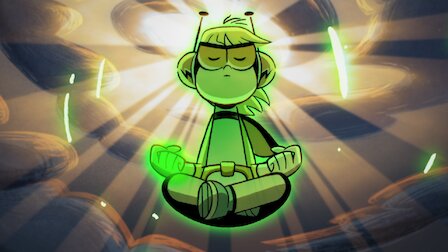
Kid solo tiene un sueño: ser un superhéroe. Se pasa el día leyendo cómics en la caravana en la que vive con su abuelo, jugando en la desolada carretera a perseguir y derrotar a los malos y, en definitiva, siendo un niño. Esta utópica pasión le causa el rechazo por parte de los escasos habitantes de su localidad, quien lo tachan de irritante e inmaduro. Pero gracias a las Piedras Cósmicas del Poder podrá salvar el mundo, cumplir su sueño y demostrar de lo que es capaz. Bueno, más o menos. Y es que a los calificativos burlescos anteriores se le suma uno nuevo: comparado con su nuevo equipo de superhéroes, Kid es el mediocre de la cuadrilla. Pese a haber tomado él la iniciativa de formar el equipo y ser en esencia su alma, sigue siendo eclipsado (de forma inconsciente) por sus seres queridos y quedándose encasillado con el título de "el graciosete". Nunca le verán como el héroe que quiere ser, sino como el secundario segundón bufón que siempre será. Sin embargo, a lo largo de la historia, Kid hará acopio de valor y demostrará un nuevo tipo de héroe que pocas veces se ve en pantalla: el de un héroe corriente.
Kid Cosmic (Netflix)
Decía Antón Ego, primario antagonista de la película animada
Ratatouille (2007) en su
monólogo final: "No es que cualquiera pueda ser un gran artista, sino que los grandes artistas pueden proceder de cualquier lugar". Para poneros en contexto: Ego es un crítico culinario, caracterizado por sus destructivos comentarios y su...bueno, su nombre lo deja claro. Y una crítica que especialmente causó furor fue al restaurante Gusteau's, que causó el fallecimiento de célebre chef homónimo. Dicho chef tenía un lema de vida, "cualquiera puede cocinar", que era incomprendido por nuestro duro crítico. Sin embargo, durante la película, el nuevo chef del restaurante le hará plantearse los errores de comprensión y razonamiento que poseía sobre esa idea y sobre la cocina en general. ¿Qué tiene que ver esto con
Kid Cosmic? Bueno, aparte de una excusa para recomendar encarecidamente esta película, ambas películas poseen una tesis común: unos protagonistas con fuerte determinación por cumplir un sueño y honrar el legado de quienes fueron sus inspiraciones, pero primero han de romper ciertas barreras y desmentir los prejuicios del mundo. Uno por ser una rata, el otro por ser un niño. Mas eso nunca será un impedimento. Remy la rata conseguirá mostrar sus proezas como cocinero, y Kid será capaz de salvar el mundo y demostrar que es más que un crío hiperactivo obsesionado por los tebeos. Demostrar que es un superhéroe de verdad.
Y es que, ¿qué es lo que hace a un héroe ser uno? No es un origen trágico (los progenitores de Kid fallecieron en un accidente cuando él era joven), ni los poderes (las Piedras Cósmicas del Poder) ni las luchas constantes, tanto externas (invasiones alienígenas en busca de las Piedras) como internas (no saber controlar sus emociones y, por ende, sus poderes). Es más que eso: son sus cualidades humanas lo que les hace extraordinarios. El mundo les adora porque son como ellos, porque algún día podrán aspirar a ser como ellos. Es tu amigo y vecino Spiderman. Es tu amigo y vecino Kid. Es tu amigo y vecino con el que te pasabas todas las tardes jugando al fútbol en el parque y engulliendo paquetes de chucherías. Es esa sensación lo que hace que Kid Cosmic sea tan especial: la idea de que, de una forma u otra, un superhéroe puede ser cualquier persona. Esta serie es toda una declaración de intenciones, y una carta de admiración a todos esos seres con superpoderes con los que chavales como Kid o Craig McCracken han crecido. Solo que algunos envían esas cartas en forma de dibujos hechos con ceras blandas, y otros lo hacen creando obras maestras para Netflix.

Kid Cosmic (Netflix)
Si queréis más información sobre Kid Cosmic, aquí dejo un par de entrevistas y artículos que pueden interesaros. Porfa, vedse esta serie, que está muy bien.
...
Teen Titans Go! To The Movies (Aaron Horvath & Peter Rida Michail, 2018): hacer el cafre puede salvar el mundo
Acabamos de analizar una obra que representa el corazón de las historias de superhéroes de una forma genuina y hasta cierto punto tierna. Ahora nos vamos al otro lado del espectro, al más puro cachondeo y a la sátira más directa. Y lo vamos a hacer...con los puñeteros Teen Titans. Los nuevos, no los antiguos. Y es que esta película posiblemente es, y no estoy exagerando, mi película de superhéroes favorita. Sí, aunque parezca sorprendente, a alguien en este mundo que le gusta Teen Titans Go!. Y ahora que he perdido todo criterio y credibilidad, vamos a empezar.
Teen Titans Go! es la segunda generación de adaptaciones de la saga de superhéroes homónima de DC Comics. Dado el éxito de su predecesora, Teen Titans (Cartoon Network, 2003-2006), esta serie spin-off tuvo su lanzamiento en Cartoon Network en 2013, donde sigue en emisión hasta hoy. La serie sigue a los Teen Titans (Robin, Cyborg, Starfire, Raven y Beast Boy) en sus aventuras luchando contra el villano de la semana, reencontrándose en forma de cameos con personajes del universo DC y, en definitiva, haciendo cosas de adolescentes. La serie ha recibido críticas mixtas, especialmente por parte de la audiencia más fanática de la serie original, principalmente por su desviación del tono y temática menos cómica y bizarra de esta. No obstante, es éste carácter desenfadado lo que le aseguró el éxito en televisión, consiguiendo por el camino su salto a la gran pantalla con Teen Titans Go! To The Movies. Este filme repleto de chascarillos tanto infantiles como ingeniosos, metacomentarios que harían temblar al mismísimo Deadpool (que conste en acta que este chiste ya lo hacen en la propia película) y referencias culturales a diestro y siniestro alzan a su máximo esplendor la tesis de la serie y, en consecuencia, de la propia película: estos cinco superhéroes son una panda de "flipaos", y eso es lo que le da su encanto.
Póster promocional de Teen Titans Go! To The Movies (Warner Bros. Animation)
La premisa del filme ya lanza la primera puñalada: la verdadera fórmula para que un superhéroe triunfe es teniendo su propia película. Y Robin, el líder de la pandilla, no quiere ser menos. Sin embargo, la reputación poco profesional e infantil de los Teen Titans hace que nadie quiera ofrecerle esa oportunidad. Pese a ello, este irrelevante secundario, inconforme con la visión del mundo, hará todo lo que esté en su mano para firmar la película que siempre ha deseado, y así ganarse el prestigio que tanto anhela. Ya sea buscándose su propio archienemigo, haciendo un road trip hasta los estudios de Hollywood a ritmo de Michael Bolton interpretando una canción motivadora ochentera que habla de canciones motivadoras ochenteras (esto en la película tiene aún menos contexto, y quizás por eso es tan desternillante) o creando un apocalipsis global en el proceso.
Antes de continuar con el análisis y con el por qué esta película funciona tan bien como desengranaje de la industria de los blockbusters de superhéroes a la vez que una genuina y sincera representación de estos, voy a arrojar una lanza en favor de la pandilla irreverente: Teen Titans Go! es una serie tontísima...y por eso el producto triunfa. En un mundo lleno de películas y series con superhéroes con ceños fruncidos y discursos poéticos y poderosos, resulta hasta refrescante ver a personas con superpoderes comportándose cómicamente. Y aunque muchas a veces los chistes infantiles no cuajen con todo el mundo, y que el cambio de tono con respecto a su predecesora ha causado bastantes estragos, a veces es que no hace falta nada más que desconectar media hora con colorines y expresiones vivas y bromas escatológicas. Dicho esto, tanto "caca-culo-pedo-pis" resultarían frustrantes durante 90 minutos hasta para los peques de la sala. He aquí el as bajo la manga de Horvath y Michail (directores de la película y, respectivamente, co-creador y productor de la serie), y el motivo por el que la película se ha ganado el corazón de las audiencias a pesar de su previa reputación: el metacomentario. Y es que no hay nada mejor que saber reírse de uno mismo.

Teen Titans Go! To The Movies (Warner Bros. Animation)
Cuando haces una parodia de algo, has de ir con pies de plomo al predicar con el ejemplo. Si vas a satirizar y burlarte de los clichés de un género, hacer gags hilarantes y humor "relatable" sacará unas cuantas risas a la audiencia, no queda duda. Pero hay una sutil diferencia entre una comedia graciosa y una comedia buena. Para llevar la sátira del género a su máximo explendor, hay que saber analizar en profundidad los tropos de este y saber sacarles el mayor provecho posible, tanto de forma genuina como desde la crítica. Esta película es un gran ejemplo de ese punto medio entre la carcajada por pura carcajada y el cinismo más insensible. En todo momento es consciente de su estatus en el universo DC y de su imagen pública como producto, y se adueña de ella por completo mediante una tesis brillante sobre secundarios irreverentes y sus ansias de fama, a la vez que arroja cuchilladas a la macroempresa a la que pertenece, a los tropos de sus historias, y a cómo esta ha chupado el alma de sus personajes en pos de una producción masiva de adaptaciones fílmicas. Los superhéroes están demasiado ocupados haciendo películas como para preocuparse de salvar las ciudades que en su día juraron proteger. Y si pensáis que esta reflexión es puro cinismo de mi persona, esto lo dice Slade, el propio villano de la película, cuando le explica su plan malvado a Robin. Que hablando del rey de Roma: en la versión inglesa, este personaje es interpretado por Will Arnett, quien a su vez interpretó al personaje titular en Batman: La Lego Película (Chris McKay, 2017). Ah, las bellas ironías.
Es en este caótico tumulto de figuras célebres sucumbidas al capitalismo donde entran nuestros protagonistas. Especialmente Robin, en quien la película centra su arco principal. Estos cinco adolescentes con poderes son...pues eso, adolescentes con poderes. Son conscientes de su posición como figuras superheroicas, pero no por ello desplazan la mentalidad jovial. Es la personalidad exuberante del conjunto la que desencadena la trama como la que la lleva a su clímax. La película empieza con
un rap simplón aunque extrañamente pegadizo (llevo tres días con la puñetera cancioncita en la cabeza, no es coña) donde refuerzan esta tesis de "somos cinco chavales que tenemos poderes y venimos a petarlo lo más grande" mientras luchan contra el villano absurdo de la semana, y acaba su sorprendentemente impactante tercer acto con el mismo número musical. Es en este círculo perfecto donde reside el corazón de la trama. Durante toda la película, el Chico Maravilla llevará por bandera una coraza de superhéroe serio estrella de Hollywood, dejando de lado sus inadaptados orígenes y a sus camaradas. Sin embargo, es el espíritu gamberro e irreverente de este "Club de los Cinco" con poderes lo que salvará a la humanidad, dándoles el respeto y el cariño que buscaban como superhéroes. He ahí la clave de este colorido y despampanante filme: es ese espíritu de humano y de joven lo que eventualmente les hace grandes. Ya lo vimos en
Kid Cosmic, y lo vemos aquí; en contextos distintos, pero la idea central es la misma. Ese es, para mí, el mantra de superhéroe por excelencia.
Es lo mundano en ti lo que te hace verdaderamente extraordinario frente al universo.Teen Titans Go! To The Movies (Warner Bros. Animation)
Ya lo mencionaba Brian Tallerico:
"Teen Titans Go! To the Movies might have felt even fresher without the existence of the other meta-comedies that dissect our superhero obsession, but the writers understand that as well, making direct reference to Deadpool more than once. It’s not a film designed to break ground or even offer too much social commentary on the role of superheroes in modern culture. It's built with the primary goal of making you laugh and forget your problems for just under 90 minutes, and it does exactly that." (Tallerico, 2018)
Hay historias de superhéroes que no necesitan de tramas profundas y complejas que desengranajan el núcleo de sus estructuras y patrones hasta sus raíces (aunque esta en parte lo hace). A veces solo necesitas 90 minutos de desconexión, de echarte unas buenas risas y hacer el cafre con tus colegas. Y esta película lo consigue con creces. Es lo que te pide, y es lo que te da.
...
El mundo superheroico quizás se ha visto empañado de una fórmula y unos patrones que han hecho que este pierda parte de ese encanto que tienen los coloridos tebeos en los que se basan. Sin embargo, la cultura pop está en constante reinvención y rompiendo dichos patrones, y la mejor forma de hacerlo es mediante la autocrítica. Estos dos ejemplos puestos anteriormente reflejan ese cambio. Uno como una forma de traer de vuelta los sentimientos más nostálgicos por el género y reforzar sus virtudes, y otro en forma de sátira desenfrenada hecha desde la más pura admiración. Son dos caras de la misma moneda que se complementan la una a la otra, y que representan a la perfección los pros y contras de estos adorados superhumanos. Los blockbusters seguirán apareciendo bajo las piedras, pero si escarbas bien, aún encontrarás gemas como estas que te devuelvan la pasión por el género.
Y si no, siempre nos quedará Thor: Ragnarok, que está bastante entretenida.
Thor: Ragnarok (Marvel Studios)
.......................................................................................................
Quick memo before we start: I have never been a
comic book person. Not because I disliked them, but because of the usual
"girl in her early twenties" gimmick. There was little to no place
for young women in the superhero world and its corresponding fandom. I already
had to deal with mockery at school from both boys and girls for playing
Pokémon, collecting sports cards, and knowing all the dialogues to Digimon
Frontier (possibly, and this is not a joke, my favourite childhood show), so
being into geeky graphic novels would have been the cherry on top. Besides, tough
beefy men did not make a huge impression on my primary school self. This last
statement might be more of a "cisgender, straight and patriarchal social
conventions make for a lack of comic book representation for young girls since
it's a "boys thing" and girls are not allowed to like them, blah blah
blah" issue and all of the sorts. The point is that this article and its
thesis might be affected by a lack of referential knowledge on my part, and I
apologize in advance. Oh, and this is my personal opinion, beware of spoilers, you
know, the usual. Let's begin!
...
Thanks to TV and movies, superheroes have
caught the eye of popular culture, but not for saving mankind. Those cartoon stripes
and graphic novels about people with powers freeing civilizations from the
oppression of eccentric antagonists are not a "nerd culture" thing
anymore. And its adaptations to the small and big screen are at fault for that. The
massive production of blockbusters and the cult-status achievement of some of
these pieces have made Superman, Batman, Spiderman, and every
"man" (which there are a few) more familiar figures. Yet, at the risk
of sounding sentimental and slightly boomer, said massive manufacture of
comic book-inspired films have removed that je ne sais quoi of these
local stars, transforming them into the public symbol of multi-billion-dollar
companies and corporations that feed themselves on the nostalgia of spoiled and
blinded fanatics. Just like everything in life, it gets corrupted by
capitalism.
Despite this, there is a lack of cynicism
against superhero blockbusters on my part. There are some redeeming souls
hidden in the shadows that want to reinvent these heroic humans. Take for
example the recent limited series Wandavision (Matt Shakman, 2021) or, if you
read it with the proper lens, Scott Pilgrim vs the World (Edgar Wright, 2010).
There are still stories to be told about exceptional yet complex and flawed
individuals (very flawed in some cases; we will rant about Scott Pilgrim's
character another time) that redesign the medium in its narrative process. But
if we want to talk about deconstruction, we must take a quick trip to the world
of animation, possibly the most successful format in this aspect.

Sailor Moon (Toei Animation)
There is an infinite list of titles, genres and
periods that cover animated shows and films with this setting. And in that
variety resides its charm. There are uncountable generations with fond memories
of their youths, sitting in front of the TV, seeking the company of invincible
robots, masked creatures in metallic suits and kame-hame-has (is that how you
write it?). Some of the people that grew up with said characters are now
working in the animation industry, and they have the chance to make homages to
them with both nostalgic fondness and constructive satire. There are countless
examples of each, but today I will only be analysing one from each perspective,
although they work for both sides of the audience. The lovers of the genre will
remember what made them love those colourful vignettes in the first place while nodding to many of the criticism offered. And the ones not so familiar
with the concept have the ideal basis to dive into it, knowing its pros and
cons.
With all of that said, let's begin!
...
Kid Cosmic (Craig McCracken, 2021): Just your
average kid
Warning: this article was published before
the season 2 announcement, so its plot and themes are not discussed in her.
Sugar, spice, everything nice and the “Chemical
X” is the key formula to create the perfect superheroines. At least,
that’s what Craig McCracken thought when he gave life in 1998 to the Powerpuff
Girls. After two decades, the showrunner of titles such as Foster’s Home for
Imaginary Friends and the criminally underrated Wander over Yonder makes a comeback
to the superhero genre with an entirely renovated formula.
Set in a small desertic town in the USA, Kid
Cosmic (which recently premiered on the Netflix streaming platform) tells the
story of a young boy named Kid, who has been fantasising his whole life about
becoming a superhero and saving the world from its threats. His fantasies will
soon come true, thanks to the arrival to Earth of five Cosmic Stones of Power
(hush, Marvel geeks), which gift special abilities to those who possess them. The
quest for said jewels will make the Earth the main target for any alien
invasion. To protect the planet from impending doom, Kid will gather a very
peculiar crew of local heroes: his grandpa, a teenage girl, a toddler…and a
cat. Laughter is assured with this premise, but one must buckle up as well for
a trepidant and energetic plot that will hook you from the first minute.
Promotional poster for Kid Cosmic (Netflix)
It’s difficult to catalogue the aesthetic of
McCracken’s projects. Each show holds a distinctive and personal style with an abundant
array of colours and proportions. And it’s no exception with our extraordinary
yet mundane leads. Inspired by masterworks such as Dennis the Menace or Tintin,
each frame gives the impression of a comic panel brought to life. Whether it is
for the warm pigments of the dry wasteland scenery or the facial expressiveness
and vibrant movements of the characters, the enormous influence of those illustrated
tales is plainly evident. Especially when one dives deep into the narrative.
Most individuals have average lives. They go to
work, buy some groceries, go for a walk, and fulfil other mundane tasks and activities.
This mediocre schedule is not accustomed to exceptional circumstances, causing dread
and confusion when a large unmanageable misfortune occurs. Most of you will
have thought of the same event. Nevertheless, in the fictional world, there are
exceptional citizens in charge of guarding the population, so that the least
amount of damage is caused. That’s why many hold themselves to these figures
with devotion and wonder; they are projecting their wish of salvation (both of being
the saviour and being saved) in these powered beings so that they can feel
them as part of their essence. This occurs frequently amongst the juvenile
generations. There are many kids and teens unaware of the life awaiting, yet
they venerate these grownups with superpowers that are always fighting the bad
guys and are adored by the town. They want to become like them, to be them. And
Kid, the protagonist of our story, fits into that demographic.
Kid only dreams of becoming a superhero. He
spends the day reading comic books in the caravan where he lives with this
grandfather, playing on the deserted highway pretending to chase and catch felons,
and merely being a kid. This utopic desire causes a rejection from his nearly uninhabited
village, which label him as irritating and immature. But thanks to the Cosmic
Stones of Power, he will finally save the Earth, achieve his goal, and prove his
worth. Well, sort of. Because an additional adjective is added to the aforementioned
mockeries: Kid is the mediocre member of the squad. Despite having taken the
initiative to form the team and being the core of it, he is still unconsciously
eclipsed by his beloveds and left with the title of “the goofy one.” He will
never be seen as the hero he wants to be, but as the buffoon and sidekick that
he will always be. Yet, throughout the show, Kid will gather all
of his courage and display a type of hero rarely seen on screen: the ordinary hero.
Kid Cosmic (Netflix)
In his final monologue, Anton Ego, the primary
antagonist of the movie Ratatouille (2007) stated: “Not everyone can become a
great artist, but a great artist can come from anywhere”. For context: Ego is a
culinary critic known for his destructive reviews and his…well, his name is
quite explicit about it. A critique of his that caused a special commotion was
one to the restaurant Gusteau’s, eventually causing the death of its homonymous
prestigious chef. Said cook had a life motto, “anyone can cook”, deeply
incomprehensible to our harsh columnist. Yet as the movie progresses, the
restaurant’s new chef will make him question the comprehension and reasoning
errors that he possessed about his personal philosophy and his ideas about
cooking. What does all of this have to do with Kid Cosmic? Apart from it being
an excuse to repeatedly recommend this movie, both pieces share a common thesis
about two protagonists with strong determination for pursuing an aspiration and
honouring the legacy of their role models, but first, they must break certain
barriers and destroy prejudices from their environment. One of them for being a
rat, the other for being a child. Yet this will never be an impediment. Remy
the rat will be able to demonstrate his prowess as a cook, and Kid will be
capable of saving mankind and show that there is more to this overactive kid
obsessed with cartoon strips. For behind him lies a real superhero too.
Because what makes a hero be one? It’s not
about a tragic backstory (Kid’s parents died in a traffic accident when he was
young), having exceptional skills (the Cosmic Stones of Power), or the continuous
struggles, both external (an alien invasion in search for the Stones) and
internal (being unable to control his emotions, and thus, his powers). It is
more than that; their human virtues are what makes them extraordinary. The world
adores them because they are regular people like us, so one day we can aspire
to become them. It’s your friendly neighbour Spiderman. It’s your friendly
neighbour Kid. It’s your friendly neighbour with whom you would spend the
afternoons playing in the park and devouring candy bags. That sensation is what
makes Kid Cosmic so special; the idea that one way or another, anyone can be super. This series is a true statement of its purpose and a big admiration
letter to all those figures with powers with whom Kid or Craig McCracken grew
up. However, some people send these letters with drawings made out of soft
crayons, and others do so by creating masterpieces for Netflix.
Kid Cosmic (Netflix)
If you want more info about Kid Cosmic, I leave
here a couple of interviews and articles that might be of interest (one of them
is in Spanish though, but I attach it regardless). Please watch this show, it’s
really good.
https://www.animationmagazine.net/streaming/close-encounters-of-the-retro-kind-craig-mccracken-talks-kid-cosmic/
https://www.cbr.com/craig-mccracken-kid-cosmic-interview/
https://www.20minutos.es/cinemania/series/craig-mccracken-supernenas-kid-cosmic-4561130/
...
Teen Titans Go! To the Movies
(Aaron Horvath & Peter Rida Michail, 2018): saving the world with the power
of goofiness
We have just examined a piece that represents
the heart of superhero stories in a sincere and even endearing way. Now we are
moving to the other side of the spectrum, to pure foolishness and direct satire...and
we are doing it with the freaking Teen Titans. The new version, not the old
one. This movie is, and this is not an exaggeration, my favourite superhero
movie ever. I know, shocking. There is someone out there who enjoys Teen
Titans Go! unironically. And now that I lost all my credibility and reliability,
let’s begin.
Teen Titans Go! is the second generation of audio-visual
adaptations from the homonymous superhero saga property of DC Comics. Due to
the success of its predecessor, Teen Titans (Cartoon Network, 2003-2006), this
spin-off was first released in Cartoon Network in 2013, where it’s currently
airing. The show follows the Teen Titans (Robin, Cyborg, Starfire, Raven and
Beast Boy) in their shenanigans, whether it is fighting the villain of the
week, encountering cameos from other characters from the DC Universe, and just living
your typical teenager hijinks. The show has received mixed reviews (especially
from the most devoted fans from the original series) mainly for its deviation
in tone and theme from the aforesaid, which was less comical and bizarre. Yet
this cheeky nature was what eventually brought acclaim and success to this
series, as well as its jump to the big screen with Teen Titans Go! To the
Movies. This film full of both silly and clever gags, metacommentary that would
make Deadpool himself tremble (fun fact: this joke is made in the movie), and
cultural references all over the place, rises to its fullest the thesis of the
show (and consequently its own): these five superheroes are a bunch of freaks,
and that’s where the charm lies.

Promotional poster for Teen Titans Go! to the Movies (Warner Bros. Animation)
The premise itself is already throwing some
shade: the key formula to be a successful hero is by having your own movie. And
Robin, the leader of this peculiar squad, wishes to have his own as well. Yet
the unprofessional and infantile repute of the Teen Titans prevents the
industry from giving him that chance. Yet despite the difficulties, this irrelevant
sidekick, rebelling against everyone’s notions, will do anything it takes to
sign the movie he always has dreamed of and receive the prestige he yearns for.
Whether it is desperately searching for an archnemesis, doing a road trip to
Hollywood Studios set to the sound of a Michael Bolton upbeat inspirational
song with eighties’ sounds about upbeat inspirational songs with eighties’
sounds (this makes less sense in the movie, and perhaps that is what makes it
so hysterical) or creating a global apocalypse in the process.
Before continuing with the analysis about why
this movie works both as a deconstruction of the superhero blockbuster industry
and as a genuine and sincere exemplification of it, I will be throwing a stone in
favour of this chaotic crew: Teen Titans Go! is a dumb show. And that’s why the
product works. In a world full of movies and TV shows with stern-faced heroes with
poetic and powerful speeches, it’s somewhat refreshing seeing characters with
special powers behaving ridiculously. And even if sometimes most of the
time childish jokes might not be everyone’s cup of tea, and its tone shift from
its predecessor has caused great harm, sometimes one needs nothing more than
disconnecting for half an hour with vivid colours and expressions and excrement
humour. That being said, one can bear so many poop jokes for 90 minutes, even
the younger audiences. This is where Horvath and Michail (directors of the film
and, respectively, co-creator and producer of the show) pull out one last
trick and the motive for why the movie has won the audience’s heart despite
its prior repute: the metacommentary. Because there is nothing better than
being able to laugh at oneself.
Teen Titans Go! to the Movies (Warner Bros. Animation)
When you parody anything, you must be very
careful when applying the critiques to real life. If you are mocking a genre
and satirizing its tropes, hilarious gags and relatable humour will undoubtedly
get quite a few chuckles. But there is a subtle distinction between a funny
comedy and a good one. To take the mockery of a genre to its maximum exponential,
one must intensely analyse its tropes and make the most of them, both as a candid
demonstration and as a critique. This movie expertly falls in the middle point
between the quips just for the sake of a laugh and the most insensitive cynicism.
It is aware at all times of its status in the DCU and its public image as a product,
and so it embraces said vision in its entirety with a brilliant thesis about jokey
sidekicks and their desires for success while throwing sharp knives to the megacorporation
they belong to, the tropes in its narratives, and how it has sucked the soul of
its characters as a means for massive production of film adaptations. Superheroes
are too busy making movies to worry about saving the towns they once swore to
protect. And if you believe this is purely cynical on my part, this line is
actually spoken by Slade, the villain of the film, when explaining his evil
scheme to Robin. Speaking of the devil, some fun trivia: Slade is voiced by
Will Arnett, who also voiced the title role in The Lego Batman Movie (Chris McKay,
2017). How ironic.
Our protagonists arrive in this tumultuous cluster
of illustrious figures who succumbed to capitalism. We must put emphasis, especially
on Robin, on who the movie focuses its main arc. These five powered teens are
just that, teens with powers. They are aware of their position as heroic figures,
yet they do not reject their jovial mentality because of it. This exuberant
personality of the bunch is what drives the plot forward and makes it reach its
climax. The movie begins with a straightforward yet catchy rap song (no joke, it
has been stuck in my head for days now) where they reinforce the idea of “we
are five kids with superpowers and we are killing it!” while fighting the
absurd villain of the week. This musical number is what ends as well the unexpectedly
potent third act of the plot. It’s in this perfect circle where the heart of
the narrative resides. During the movie, Wonder Boy will cover
himself up in the armour of a serious Hollywood superhero star, leaving his misfitted
origins and companions behind. Yet it’s the defiant and cheeky spirit of this
superpowered "Breakfast Club" that will eventually save mankind, earning the
respect and affection they were searching for as heroes. And there lies the key of
this vivid and flamboyant film: what makes them great is their human and
youthful spirit. It’s present in Kid Cosmic, and it’s present here as well. Different
contexts, but the same central idea. For me, that is the ultimate superhero mantra;
the mundane within you is what makes you extraordinary against the universe.

Teen Titans Go! to the Movies (Warner Bros. Animation)
As Brian Tallerico (2018) mentioned:
"Teen
Titans Go! To the Movies might have felt even fresher without the
existence of the other meta-comedies that dissect our superhero obsession, but
the writers understand that as well, making direct reference
to Deadpool more than once. It’s not a film designed to break ground
or even offer too much social commentary on the role of superheroes in modern
culture. It's built with the primary goal of making you laugh and forget your
problems for just under 90 minutes, and it does exactly that."
There are superhero stories that
do not need deep, complex plots that unravel the core of their patterns and
structures to their roots (although this specific one does so too). Sometimes
you only need 90 minutes of disconnecting, having a few laughs and goofing
around with your mates. And this film succeeds with it. That’s what it’s
asking for, and that’s what it gives you.
...
The superhero genre may have been tarnished by
a formula and a routine that has made it lose part of the charm of the
colourful comic strips they are based on. Nevertheless, pop culture is
constantly reinventing itself and breaking said routines, and the best way to
do so is by self-criticism. The two examples previously mentioned reflect that
change. One as a way of bringing back the nostalgia for the genre and reinforce
its virtues, and the other as an unruly satire made from the purest admiration.
They are two sides of the same coin that compliment each other, and they flawlessly
represent the pros and cons of these adored superhumans. Blockbusters may keep
coming from all places, but if you dig deeper, you may still find gems as such
that will bring you back the passion for the genre.
And if not, we will always have Thor: Ragnarök,
which is quite fun.

Thor: Ragnarök (Marvel Studios)


Comentarios
Publicar un comentario